
Trump's CLARITY Act Summit: A Pivotal Moment for US Crypto Regulation
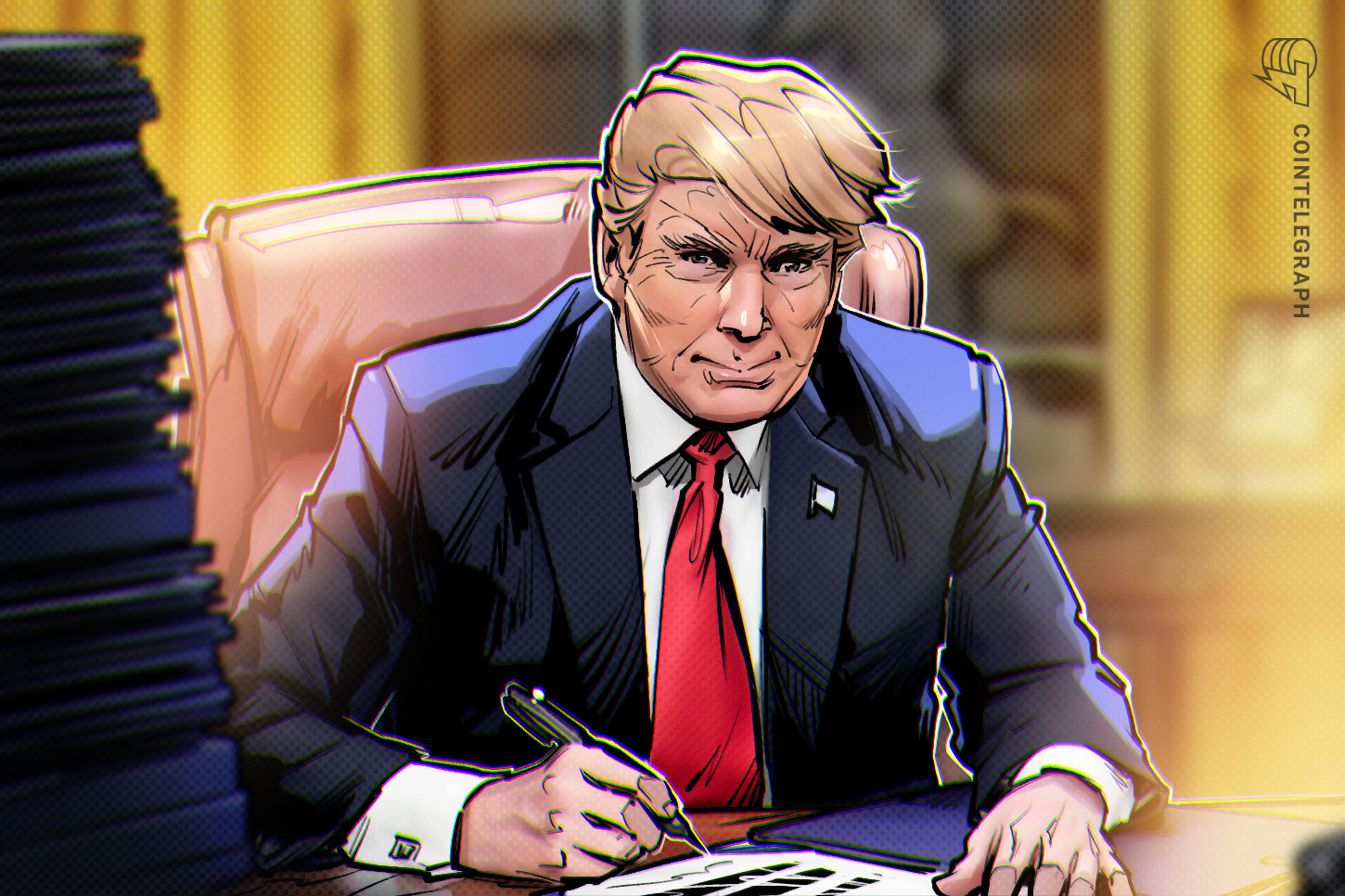
In a move that has sent ripples of anticipation and speculation across the digital asset landscape, US President Donald Trump is scheduled to meet with several senators on Thursday to discuss the CLARITY Act. This high-stakes meeting, reported by Politico, comes as legislators race against the clock to finalize the bill before the looming August recess. For the cryptocurrency industry, this isn't just another legislative discussion; it represents a potentially watershed moment that could define the future of digital asset regulation in the United States for years to come.
Decoding the CLARITY Act: A Quest for Regulatory Certainty
While the full text and intricate details of the CLARITY Act remain subject to ongoing negotiations, its very name—providing 'Clarity'—strongly suggests an ambitious attempt to resolve the persistent regulatory ambiguities that have long plagued the crypto space. As a Senior Crypto Analyst, my interpretation is that this legislation aims to establish a comprehensive framework for digital assets, moving beyond the current patchwork approach that often leaves innovators, investors, and even regulators themselves in a state of uncertainty.
Crucially, we anticipate the CLARITY Act will address several fundamental questions: How are different types of digital assets classified – as securities, commodities, or perhaps a new bespoke category? Who holds primary jurisdiction – the Securities and Exchange Commission (SEC), the Commodity Futures Trading Commission (CFTC), or a newly empowered inter-agency body? Furthermore, the Act is expected to tackle the burgeoning stablecoin market, proposing guidelines for reserves, issuance, and redemption to ensure stability and consumer protection. It may also lay foundational principles for decentralized finance (DeFi), acknowledging its unique, permissionless nature while seeking to mitigate systemic risks.
The core objective, from a crypto industry perspective, is to create a predictable and transparent regulatory environment. This would not only protect consumers from fraudulent schemes but also foster innovation by giving blockchain developers and entrepreneurs a clear roadmap for compliance, rather than forcing them to operate in a gray area or, worse, flee to more accommodating jurisdictions.
The Urgency: Why Now, and Why Before Recess?
The impetus behind this expedited push is multifaceted. Firstly, the digital asset market has matured significantly, with trillions of dollars in market capitalization and growing institutional adoption. The existing regulatory vacuum is no longer sustainable for an asset class of this magnitude. Secondly, the United States risks falling behind other nations that are actively developing clearer digital asset frameworks. Countries like the UAE, Singapore, and parts of Europe have made strides in attracting crypto businesses through well-defined regulations. Without a robust domestic framework, the US could stifle innovation and cede its leadership in the nascent Web3 economy.
The August recess deadline adds a layer of urgency. Legislative windows often close, and complex bills like the CLARITY Act can stall indefinitely without sustained momentum. A pre-recess agreement signals a serious commitment from both sides of the aisle to address this critical issue, indicating that lawmakers recognize the economic and strategic importance of establishing regulatory certainty for digital assets.
Profound Implications for the Digital Asset Ecosystem
Should the CLARITY Act successfully pass and be signed into law, its implications for the cryptocurrency ecosystem would be profound and far-reaching:
- For Bitcoin and Ethereum: A clear classification, likely as commodities under the CFTC (for Bitcoin) and potentially a nuanced hybrid for Ethereum, would solidify their status, reduce speculative uncertainty, and likely pave the way for more diverse institutional products like spot ETFs, which have faced regulatory hurdles.
- For Altcoins and ICOs: Many altcoins and tokens launched via Initial Coin Offerings (ICOs) have languished under the SEC's 'Howey Test' as unregistered securities. The CLARITY Act could provide a clearer 'safe harbor' for decentralized projects or define specific criteria for when a token ceases to be a security, allowing legitimate projects to flourish without the constant threat of enforcement actions.
- For Stablecoins: A federal framework for stablecoins would be a monumental step. It would likely mandate robust reserve requirements, regular audits, and possibly licensing for issuers, thus mitigating risks of collapse and fostering greater trust. This could unlock stablecoins' full potential for payments, remittances, and DeFi, while also safeguarding the traditional financial system.
- For DeFi and Web3 Innovation: While fully decentralised protocols are notoriously difficult to regulate, the Act could provide guiding principles, perhaps focusing on user interfaces, centralized intermediaries interacting with DeFi, or specific risk vectors. A clear framework, even if light-touch for core protocols, could prevent an exodus of DeFi talent and capital from the US.
- For Institutional Adoption: Regulatory clarity is the holy grail for institutional investors. Clear rules on custody, trading, and asset classification would significantly lower compliance risks, encouraging more traditional financial institutions, pension funds, and corporations to allocate capital to digital assets. This would infuse greater liquidity and stability into the market.
- US Competitiveness: Ultimately, the CLARITY Act could reassert US leadership in financial technology, attracting top-tier talent and capital, and preventing a brain drain to more crypto-friendly nations.
Challenges and the Path Forward
Despite the optimism, passing comprehensive crypto legislation is fraught with challenges. The highly technical nature of blockchain technology means that many lawmakers are still grappling with its nuances. Achieving bipartisan consensus on specific definitions and regulatory allocations in an increasingly polarized political climate is no small feat. Furthermore, powerful lobbying groups from both traditional finance and the crypto industry will be advocating for their interests, potentially complicating negotiations.
As President Trump meets with senators, the crypto community will be watching intently. This discussion could be the crucible in which the future of US digital asset policy is forged. Whether it emerges as a clear, enabling framework or a fragmented, restrictive one will determine the trajectory of innovation and investment in the world's largest economy. The stakes couldn't be higher, and the CLARITY Act truly represents a make-or-break moment for America's crypto aspirations.