
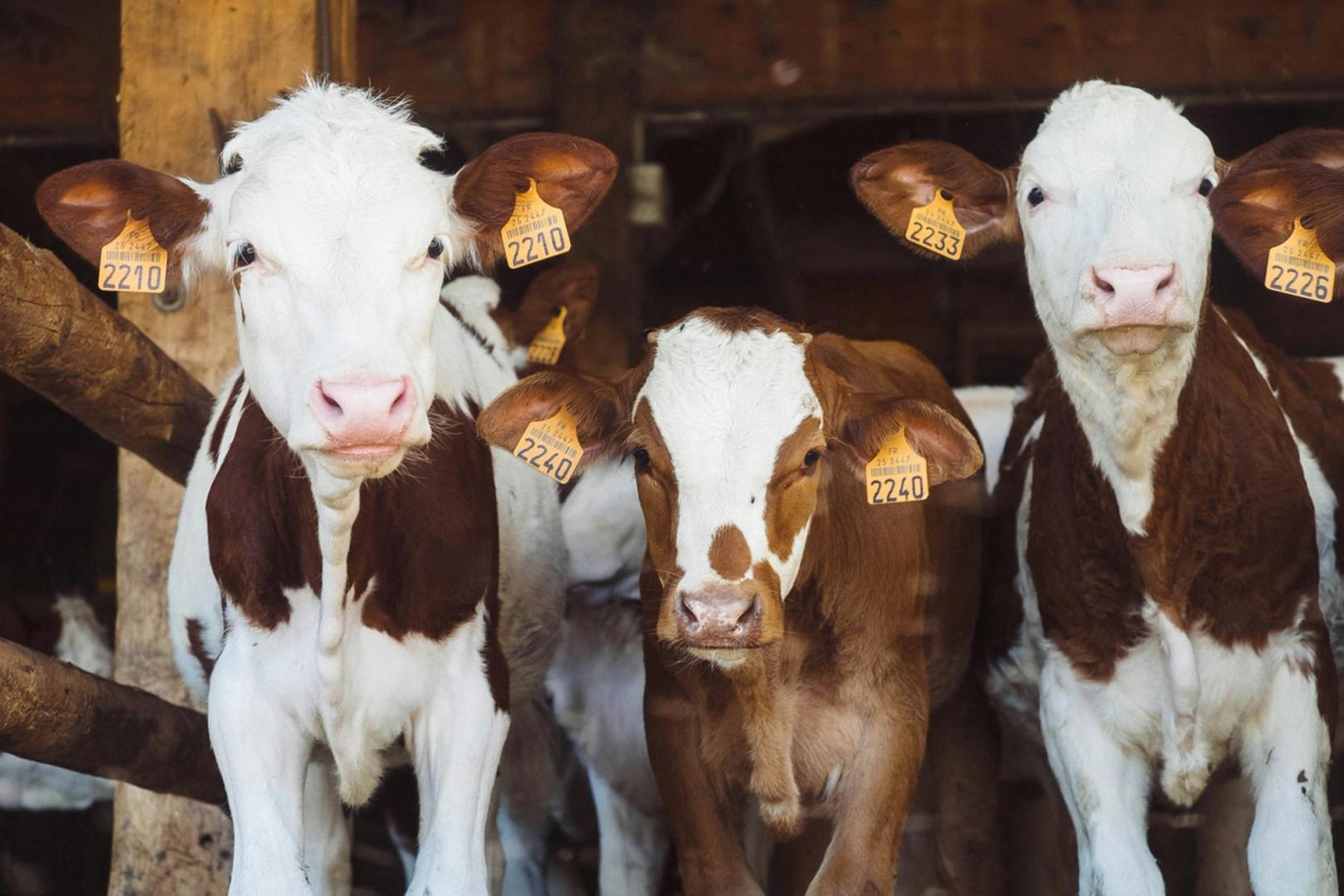
The Convergence of Blockchain and Bovines: A New Era for Agri-Finance
In a compelling demonstration of real-world asset (RWA) tokenization, Brazilian dairy farmers are pioneering an innovative financing model that leverages blockchain technology to secure loans. By tokenizing their dairy cows, monitored in real-time by smart collars, these agricultural businesses are bypassing the restrictive lending limits of traditional banks, unlocking crucial capital for growth and modernization. This development not only offers a lifeline to an underserved sector but also serves as a potent case study for the transformative power of decentralized finance (DeFi) in tangible industries.
Navigating the Hurdles of Traditional Agricultural Finance
Agricultural financing globally, and particularly in emerging economies like Brazil, is fraught with challenges. Farmers often face stringent collateral requirements, lengthy approval processes, high interest rates, and, critically, lending limits imposed by conventional financial institutions. These limits are typically a function of a bank's internal risk assessment, regulatory capital constraints, and a perceived lack of transparency or verifiability regarding the underlying assets. For farmers, this translates into stifled expansion, delayed investment in new technologies, and a persistent struggle to manage cash flow fluctuations inherent to agriculture.
Traditional lenders often struggle to accurately assess the value and health of a live animal herd without significant logistical overhead and manual inspections, which are prone to human error or even fraud. The lack of real-time data makes it difficult to monitor the collateral's condition post-disbursement, increasing the risk for lenders and leading to conservative lending practices that ultimately disadvantage the farmer.
Tokenization to the Rescue: A Digital Ledger for Livestock
The Brazilian initiative addresses these systemic inefficiencies head-on through a multi-faceted technological solution. At its core, the model involves tokenizing individual dairy cows. Each cow is represented by a unique digital token on a blockchain, effectively creating a digital twin of a physical asset. These tokens, which can be thought of as digital certificates of ownership or collateral, are then used to secure loans from a new breed of lenders – often decentralized protocols or specialized digital asset funds.
The genius lies not just in the tokenization itself, but in the ingenious integration of Internet of Things (IoT) devices. Smart collars fitted to each cow collect a wealth of real-time data: health metrics, location, movement patterns, milk production yields, and even reproductive cycles. This continuous stream of verifiable data is fed directly into the blockchain, updating the status and condition of the tokenized asset. This process offers an unparalleled level of transparency and immutability, significantly mitigating the risks associated with livestock as collateral.
Mitigating Fraud and Enhancing Lender Confidence
From a crypto analyst's perspective, this solution tackles one of the biggest impediments to RWA adoption: fraud prevention. In traditional finance, verifying the existence, health, and singular ownership of a physical asset like a cow is resource-intensive. A farmer could theoretically attempt to pledge the same cow to multiple lenders or misrepresent its health. The smart collar integration, however, makes such fraud nearly impossible. The real-time data feed provides immutable proof of life, location, and health, directly linked to the tokenized asset. Any discrepancy would be immediately flagged by the smart contract governing the loan agreement, enhancing lender confidence exponentially.
This enhanced data integrity allows lenders to assess risk more accurately and efficiently, potentially leading to lower interest rates for farmers and opening up new pools of capital. Investors, in turn, gain exposure to a historically stable asset class – agriculture – but with the added layers of security, transparency, and liquidity that blockchain technology affords.
Implications for the Future of Finance and Agriculture
This Brazilian case study is a powerful signal of the maturing RWA tokenization trend. It demonstrates that blockchain's utility extends far beyond speculative trading and into fundamental economic sectors. As a Senior Crypto Analyst, I foresee several profound implications:
- Financial Inclusion: This model provides a blueprint for unlocking capital for underserved communities and industries globally, particularly in developing nations where access to traditional finance is limited.
- Scalability of RWA: If a complex, living asset like a dairy cow can be effectively tokenized and monitored, it sets a precedent for a vast array of other RWAs – from agricultural produce and machinery to real estate and intellectual property.
- The Power of IoT-Blockchain Synergy: The combination of real-time physical data from IoT devices with the immutable ledger of a blockchain creates a robust, tamper-proof system for asset verification and management. This synergy is likely to become a cornerstone of future supply chain finance and digital identities for physical goods.
- New Investment Opportunities: It creates entirely new asset classes and investment vehicles, allowing a broader range of investors, including those in DeFi, to participate in the real economy with enhanced transparency and potentially higher yields.
- Regulatory Evolution: As such innovations gain traction, they will inevitably push regulators to develop clearer frameworks for digital asset ownership, collateral, and enforcement, balancing innovation with investor protection.
Challenges and the Path Forward
While immensely promising, this model is not without its challenges. The successful adoption requires a certain level of technical literacy among farmers, robust internet infrastructure in rural areas, and clear legal frameworks to ensure the enforceability of smart contracts and digital asset ownership within existing legal systems. The integration of traditional and decentralized financial systems also needs careful navigation.
Nevertheless, Brazil's pioneering spirit in tokenizing dairy cows for financial leverage offers a compelling glimpse into the future. It’s a future where technology bridges financial divides, enhances trust, and drives efficiency in sectors previously considered resistant to digital transformation. The pasture has indeed met the protocol, and the implications for global finance are profound.